
The farm-to-table journey highlights connecting consumers with their food gotten from the farm. Essentially, these consumers are concerned with getting fresher, healthier, and more sustainable food options. This highlights the need to be very meticulous and strategic with the process of sourcing food from the farms and transporting it directly to the consumers. This farm-to-table journey will emphasize how food gets to the consumers, allowing them to be a part of the process and also its impact on health, the environment, and local economies.
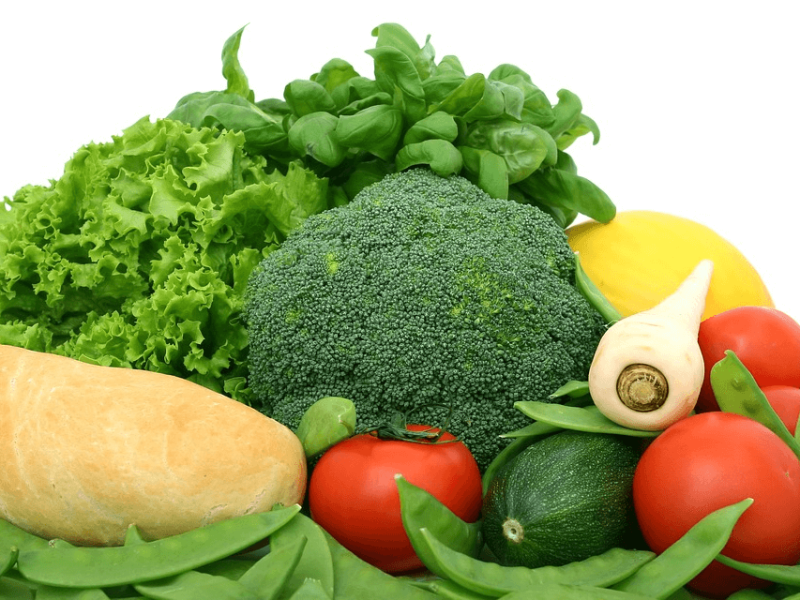
The initial stage of this journey is the harvesting and processing stage. When farm products are ripened, they are ready for careful harvesting from the soil. This is done carefully and professionally because, at this stage, anything can go wrong with the product. For example, they could get dented, and this would affect its chances of purchase and its safety in consumption. After harvesting, some farmers have the facilities to check the state of these products and clean them up and process them for consumption, while some of them work with small-scale processors or cooperatives to refine the products. Processing the food is important to increase the market appeal of the product and to also match market demands. While some tomatoes could be cleaned up and sent out as fresh tomatoes, others could be processed into tomato paste or ketchup.
The next stage is the distribution stage. This stage is very important because it highlights how the food will get to the local markets, grocery stores, and restaurants for consumption. Many of these outlets purchase directly from local farmers to ensure that the food gets to them as fresh as possible. This process also emphasizes local distribution networks, which limit the need for long-distance transportation, which would require refrigeration and could also reduce the quality of the produce.
Finally, the food gets to the consumer’s table for consumption. Highlighting the farm-to-table produce promotes transparency, helping consumers know what they are eating and where exactly it is from. This fosters healthy eating habits, as fresh foods have more nutrients and are free from preservatives that could sometimes be harmful. The farm-to-table journey allows people to connect more intimately with their food. This makes the whole process from harvesting to consumption worth the efforts put in by farmers and investors.
This means that the farm-to-table journey is very beneficial to the farmers and local producers, helping to keep money within the community and promoting regional and local food systems. It also promotes food sustainability, limiting the transportation time of these food items and packaging waste. Lastly, the health of the consumers is prioritized, offering them fresh and highly nutritious food. It is a very sustainable way to ensure that consumers connect with the food they eat and feel very safe while at it. All of this is wired to build a healthier and more sustainable future food system.
All of this and more have contributed to the development of the Pryme Point Farm Estate. It is not only a means for investors to make a profit but also a way to ensure that safer and body-friendly food products are sent out and consumed by the community.