
Agritourism provides a unique tourism opportunity for visitors to take a break from what would typically be the tourist’ experience. Agrotourism is a rapidly growing sector in the tourism industry, and farm estates are playing a central role in this exciting movement. Leaving city chaos for the calming sights and sounds of sprawling fields, where you can witness firsthand how food is grown, learn about sustainable farming practices, and even participate in farming activities. That’s agritourism, an experience that offers more than just relaxation; it’s about learning, engaging, and appreciating the hard work behind every bite. But what exactly is the role of farm estates in this green revolution? Let’s dig in!
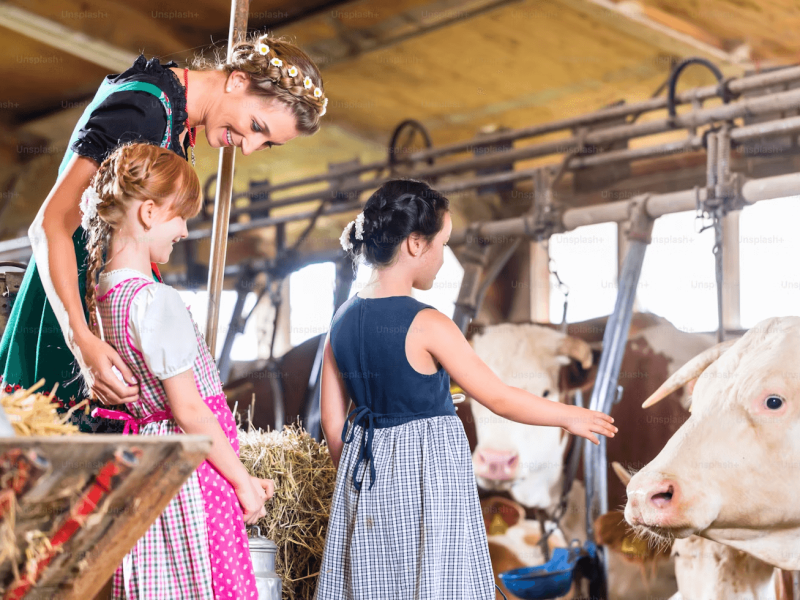
At its core, agritourism is about engaging tourists in the everyday life of a farm, and farm estates excel in offering exactly that. Visitors get a behind-the-scenes look at the day-to-day operations of farming. Whether it’s picking fruits, feeding animals, or harvesting crops, farm estates are providing a unique opportunity for people to roll up their sleeves and get their hands dirty. For many city dwellers, this is a completely new experience, an eye-opener to how their food makes its way from farm to table.
Imagine you’re on a beautiful farm estate, surrounded by fresh produce. One moment you’re plucking ripe strawberries, and the next, you’re tasting the fruit straight from the vine—so fresh, it feels like it’s been kissed by the sun. The authenticity of this experience makes it more than just a getaway; it becomes an educational journey that connects visitors to the land in a way that no textbook can.
Farm estates also act as significant economic drivers, particularly in rural areas. When tourists visit a farm, they not only contribute to the income of the estate but also support local businesses. Purchasing fresh farm products like honey, cheese, or organic vegetables, to staying at bed-and-breakfast accommodations on the farm, every aspect of agritourism helps create a ripple effect that benefits the entire community.
By attracting tourists to farm estates, these locations can diversify their revenue streams beyond the usual crop sales. The revenue generated from tours, farm stays, outdoor recreational activities, or on-site events like farm-to-table dinners adds a new layer of financial stability for farmers. Plus, it brings much-needed tourism dollars to rural areas, creating jobs and fostering local pride. When farm estates thrive, it’s a win-win situation with a very earthy twist.
You might think that agritourism is all about getting people to visit and buy products, but there’s an underlying conservation benefit to it as well. Farm estates are often at the forefront of sustainable farming practices. Tourists who visit are exposed to organic farming methods, eco-friendly practices, and conservation efforts in real time.
Farm estates promote sustainability by showcasing the importance of biodiversity, water conservation, and soil health. Tourists can learn about eco-conscious farming techniques, such as crop rotation, composting, and even permaculture. By immersing visitors in these practices, farm estates become ambassadors for environmental stewardship, teaching the next generation the importance of protecting the planet while still making a profit.
In the grand scheme of things, farm estates are much more than just places where crops are grown—they are hubs of education, sustainability, and economic development. Through hands-on experiences, they give tourists a deeper understanding of farming life, create opportunities for local economies to thrive, and help preserve the natural world for future generations. So, the next time you feel like taking a break from your hectic city life, consider a visit to a farm estate. You may just leave with a new appreciation for the farm-to-table journey and a few extra strawberries in your basket!