
Property flipping looks deceptively simple from the outside. Buy low, renovate, sell high. Yet behind the social media success stories are countless silent losses made by beginners who entered the market with enthusiasm but little structure. After more than a decade of working directly in property flipping across Nigeria, I have seen the same mistakes repeat themselves, mistakes that quietly drain profit and sometimes wipe it out completely. The difference between a profitable flip and a painful lesson is rarely luck; it is preparation and discipline.
Buying Emotion Instead of Value
One of the earliest mistakes beginners make is falling in love with a property before understanding its numbers. A well-painted house in a “nice area” can cloud judgment, especially for first-time investors eager to own something tangible. I once advised an investor who insisted on flipping a property simply because it was close to his office and “felt like home.” The renovation budget ballooned, the resale market was thinner than expected, and what looked like a smart purchase ended up tying down capital for over a year.
Successful flipping starts with value, not aesthetics. Purchase price, neighbourhood demand, resale ceiling, and exit speed matter far more than personal taste. In Nigeria’s market, emotional buying is one of the fastest ways to kill profit.
Underestimating Renovation and Time Costs
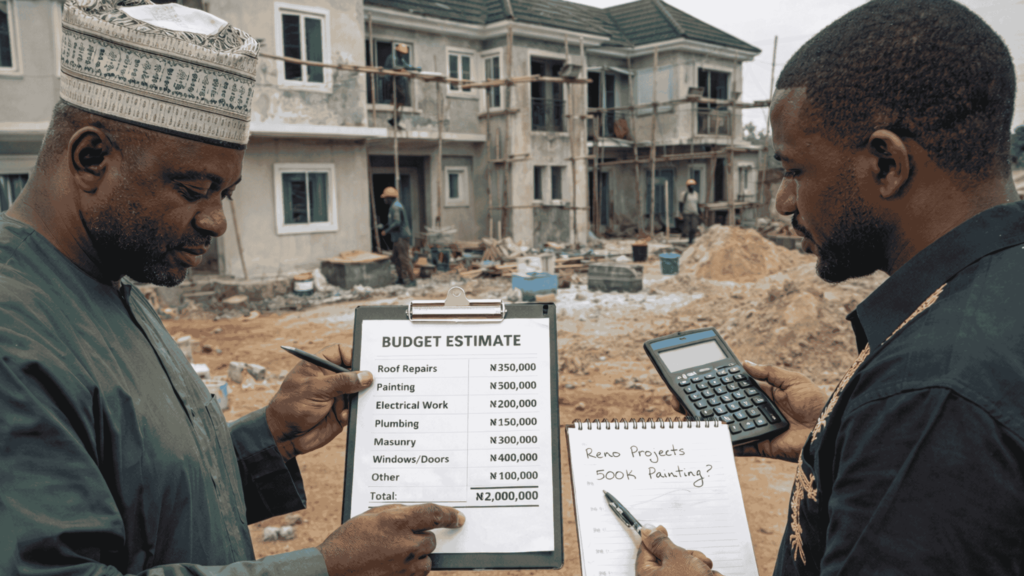
Another common mistake is underestimating renovation costs and timelines. Beginners often budget for visible repairs while ignoring hidden expenses like plumbing, electrical rewiring, approvals, and inflation-driven material price increases. In one Lagos flip, a novice investor budgeted based on prices from six months earlier. By the time work began, cement and labour costs had jumped significantly, wiping out most of the projected margin.
Time is also a cost many people forget. Every extra month a property sits unsold adds holding costs, security expenses, and opportunity cost. Flipping is not just about how much you spend, but how fast you move from acquisition to exit. Experienced flippers build buffers into both budget and timeline because delays are not exceptions in Nigeria—they are realities.
Ignoring Documentation and Legal Clarity
Some beginners focus so much on renovation and resale that they treat documentation as an afterthought. This is a costly error. Properties with unclear titles, incomplete consent, or unresolved disputes often sell slower or require heavy discounts to attract buyers. I have seen investors slash prices at the last minute simply because a buyer’s lawyer raised questions that should have been addressed before purchase.
Proper due diligence protects profit. Clear titles, verified surveys, and perfected documentation make resale smoother and faster. In flipping, speed and certainty often determine how much profit you eventually take home.
Trying to Flip Alone Too Early
Many beginners believe they must do everything alone to “save costs.” They source the property, manage artisans, negotiate sales, and handle paperwork themselves, often without experience. While this approach may work later, it is usually disastrous at the entry level. Mistakes compound quickly when there is no experienced oversight.
This is where structured models like cooperative property flipping become valuable. Through the Property Flipping Cooperative, investors pool funds, share risk, and benefit from professional project management and market-tested strategies. I have watched contributors avoid beginner mistakes simply because experienced eyes guided decisions from purchase to resale. For first-time flippers, learning within a structured environment can preserve capital and build confidence faster than going solo.
No Clear Exit Strategy
Perhaps the most dangerous mistake is entering a flip without a clear exit plan. Beginners often assume that once renovation is complete, buyers will naturally appear. In reality, resale depends on pricing strategy, buyer profile, market timing, and presentation. I recall a project where the property was beautifully finished but priced above what the neighbourhood could realistically absorb. It sat on the market for months, forcing repeated price reductions that eroded profit.
Smart flippers define their exit before they buy. They know who the likely buyer is, what price the market will accept, and how long they are willing to hold. Without this clarity, even a well-executed renovation can fail financially.
Learning the Right Way
Property flipping in Nigeria is profitable, but it is not forgiving of ignorance. Beginner mistakes are expensive because they often occur at multiple stages at once—purchase, renovation, documentation, and resale. The investors who succeed long-term are those who respect the process, seek guidance early, and treat flipping as a business, not a gamble.
The lesson is simple but powerful: profit in property flipping is protected long before renovation begins. When you buy right, plan thoroughly, manage risk, and execute with structure, flipping becomes a repeatable wealth-building strategy rather than a one-time experiment.