
Flipping properties can be profitable, but success hinges on selecting the right contractors. The difference between a lucrative flip and a financial disaster often comes down to your choice of contractors. Here’s a meticulous guide to help you make the best choice for your property flip.
Start by clearly outlining your project’s needs. You need to identify the necessary renovations and repairs, set a realistic budget, and establish a timeline. Having a well-defined project scope ensures effective communication with potential contractors and aligns expectations from the outset.
Conducting thorough research is crucial when selecting contractors. Statistics show that nearly 90% of people rely on recommendations from friends and family. Begin by seeking recommendations from trusted sources. Additionally, online reviews and ratings on sites can offer valuable insights into a contractor’s reputation and reliability.
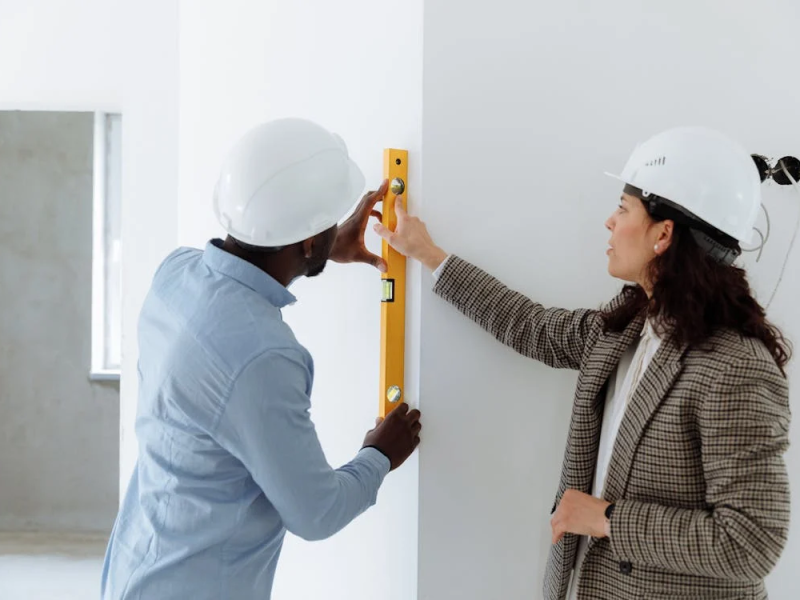
Ensuring that a contractor is properly licensed and insured is essential. Hiring unlicensed contractors can lead to substandard work and legal complications. Verify that the contractor has adequate insurance to cover any accidents or damages that may occur during the project. Experience is equally important, especially in the area of property flipping. Contractors with a proven track record on similar projects are more likely to deliver high-quality results. Request to see their previous work and speak to former clients to gauge their reliability and workmanship.
Don’t settle for the first contractor you find. Get quotes from at least three contractors to compare prices and services. According to HomeAdvisor, the average cost of a home renovation ranges widely, so it’s important to understand what you’re paying for. Beware of quotes that are significantly lower than others, as they might indicate the use of subpar materials or a lack of experience.
Interviewing potential contractors is a vital step. Ask questions about their experience, how they handle challenges, and who will be doing the actual work (the contractor themselves or subcontractors). A contractor’s ability to communicate clearly and professionally is a good indicator of how well they will manage your project.
A detailed contract is essential. It should outline the scope of work, payment schedule, timeline, and any warranties offered. This document protects both you and the contractor by setting clear expectations. Make sure you understand the terms and ask for clarification if anything is unclear. Warranties on workmanship and materials provide peace of mind that the work will meet your standards.
Once the project begins, stay involved. Set up regular check-ins to monitor progress and address any issues promptly. Clear and consistent communication with your contractor helps prevent misunderstandings and keeps the project on track.
Choosing the right contractor is one of the most important decisions you’ll make in your flipping journey. By taking the time to thoroughly research, verify credentials, compare quotes, and maintain open communication, you increase your chances of a successful and profitable flip.