
Finding undervalued properties in the real estate market is akin to discovering hidden treasures—it’s an art that can yield significant returns for astute investors. Undervalued properties are those priced below their true market value, often due to market mispricing, motivated sellers, or overlooked potential. These properties represent opportunities for investors to purchase assets at a discount, enhance their value, and realize substantial gains.
Here’s a guide to help you spot lucrative investment opportunities and undervalued properties.
Understanding the local market is fundamental. Start by studying recent sales data, average property prices, and market trends in your area of interest.
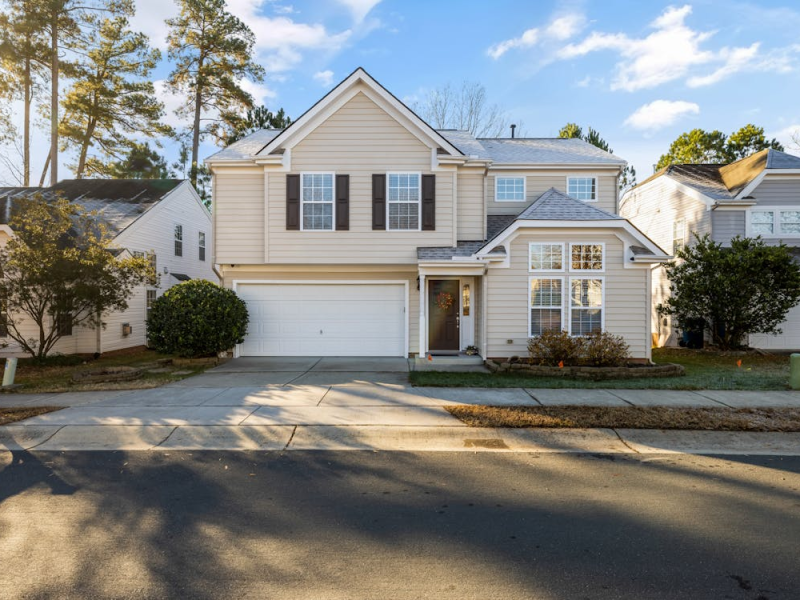
For instance, a three-bedroom home in a neighbourhood undergoing gentrification might be listed at $200,000, while similar homes in nearby areas are valued at $250,000. By recognizing the potential for growth in the gentrifying neighbourhood, you can capitalize on the future increase in property values.
Motivated sellers often list their properties below market value to expedite the sale. These sellers might be facing financial difficulties, undergoing a divorce, or relocating for work.
For example, a property listed for $180,000 has been on the market for over six months. The owner, needing to move quickly for a new job, reduces the price to $160,000. Recognizing this urgency, an investor can acquire the property at a discount and potentially flip it for a profit.
Properties needing cosmetic repairs are frequently undervalued. Investors willing to invest in minor renovations can significantly increase a property’s value. A property in a prime location can be listed below market value due to outdated interiors. By investing in cosmetic upgrades such as new paint, flooring, and modern fixtures, you can significantly increase its value and rental appeal.
Properties in up-and-coming neighbourhoods or areas with planned infrastructure developments can be undervalued. Researching local development plans, new businesses, and amenities being added to the area is integral.
A property near a planned new metro station can be undervalued. Once the station is operational, property values in the vicinity are expected to rise by 15-20%, offering significant appreciation potential.
Use online real estate platforms to compare the property with similar listings and recent sales in the area. If the property is priced significantly lower, it might be undervalued.
If a property is listed for $250,000 in a neighbourhood where similar homes are selling for $300,000, this discrepancy indicates a potential undervalued opportunity.
Conducting a thorough inspection is essential to identifying any hidden issues that might not be apparent from the listing. Hiring a professional inspector can help assess the property’s true condition.
Identifying undervalued properties involves diligent research, market knowledge, and strategic investment. By following these steps and keeping an eye out for hidden gems, you can uncover properties with high growth potential and maximize your investment returns. In a dynamic real estate market, the rewards for savvy investors who are willing to put in the effort can be substantial.