
Developing a farm estate means being on the lookout for inventive ways to gain multiple streams of income and improve sustainability. One of these ways is Community Supported Agriculture (CSA). Community Supported Agriculture (CSA) is a system that gives farm estates a chance to partner with local communities and consumers. This provides a steady source of income for the farmers and is quite reliable. CSA programs have systems where individuals or families can subscribe to regular deliveries of fresh produce. This usually comes with a discounted rate, which comes with a membership fee. With this arrangement, farmers can enjoy upfront financial support, which can help with the running cost of the farm estate and the farm’s long-term sustainability.
With Community Supported Agriculture (CSA), farmers have a chance at building a stronger connection with their customers. This is because the farmers have direct relationships with their customers, and they can use this direct link to foster trust and loyalty. In the long run, this ultimately leads to higher customer retention. Customers are also most likely to trust local farmers when they have an established relationship with them. This relationship can be boosted by community-building activities like hosting farm tours or cooking classes.
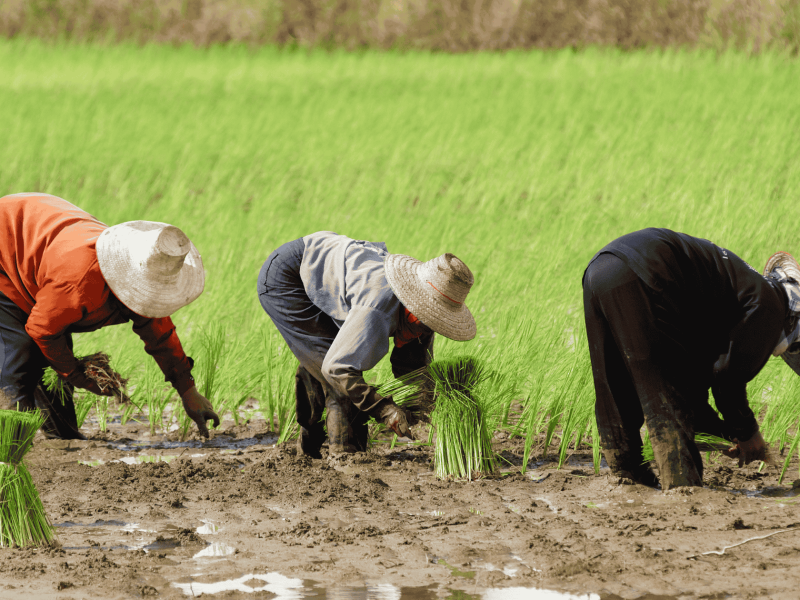
Farm estates are known to typically depend on larger distributors, local markets, or supermarkets. However, with Community Supported Agriculture (CSA), they can tap into a broader market, a more niche, community-driven market that prioritizes more sustainable and organic produce. This way, the farmers can look into offering different products like fruits, vegetables, eggs, dairy, and even meat. And while exploring seasonal produce at their built-in market, these farmers also have the luxury of trying out new crops or products.
Community Supported Agriculture (CSA) is also an effective way to encourage sustainable farming and reduce the carbon footprint that could be associated with traditional agriculture. Since these farmers are focusing on local produce, Community Supported Agriculture (CSA) eradicates the need for long-distance transportation, waste of packaging, and the environmental impact of industrial farming. This means that farm estates that adopt Community Supported Agriculture (CSA) contribute positively to the environment as they promote organic farming. And their consumers, on the other hand, are more conscious of the environmental impact of their food choices.
Community Supported Agriculture (CSA) is proving to be a valuable new income stream for farm estates. With the growing demand for fresh, locally grown produce, farm estates can harness this model to ensure a steady income, build relationships with consumers, and promote sustainability. By embracing CSA, farm estates can diversify their market, engage with the community, and contribute to a healthier, more environmentally conscious food system. As consumers continue to seek fresh, high-quality food options, CSA provides a mutually beneficial opportunity for both farmers and the communities they serve.