
Farm estates are starting to make the trend table as a very lucrative real estate venture, seeing the vast opportunity in agricultural production, ecotourism, or long-term land appreciation. As lucrative as it is, it is an investment that has quite the cost. However, investors make the mistake of focusing solely on visible expenses such as the cost of the land and the initial development. This mistake has a huge impact on the profitability of the venture because there are some hidden costs that can have a significant effect on this profitability. There is the need for investors to understand these hidden expenses beforehand so they can make more informed decisions and ensure the sustainability of their investment.
One important cost that is overlooked in investing in a farm estate is the cost of land preparation and infrastructure development. Purchasing the farmland is one thing, but it is also important to prepare the land for use after purchase. This includes the expenses of clearing vegetation and levelling the ground. Additionally, infrastructural development would require building access roads, irrigation systems, fencing, and storage facilities. Not accounting for these costs can put investors at risk, as the true financial commitments required are underestimated.
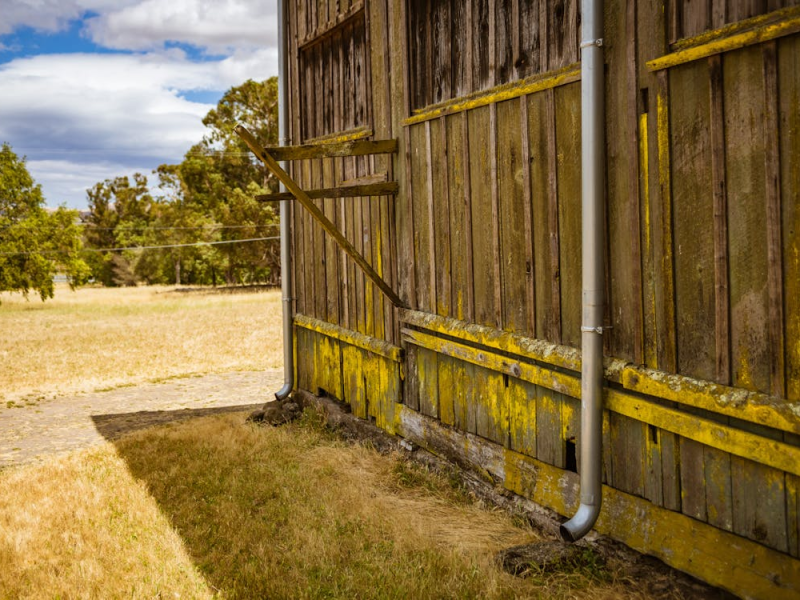
Before farming starts on the land, there is also the need to conduct soil tests to determine the fertility and suitability of certain crops and livestock. Sometimes, these results may reveal the need for extensive soil improvements, such as adding fertilisers or organic matter to enhance the productivity of the soil. These improvements are not only costly at that time; they require ongoing investment to maintain the soil health over time.
Investors sometimes make the mistake of thinking of the first-time expenses and overlook the ongoing expenses that would arise at regular or irregular intervals. One major ongoing expense that would arise is the hidden cost of constant maintenance. Machinery, irrigation systems, barns, fences, and other infrastructure would require regular maintenance for this infrastructure to function effectively. This also stretches to certain equipment, such as tractors, ploughs, and harvesters, that would sometimes require repairs or replacements.
These point at how important it is to recognise the hidden costs that come with ownership and investment in farm estate. Beyond the initial costs of land purchase, there are also impeding costs of land preparation, soil testing and improvement, and ongoing maintenance of infrastructure and equipment. This would require an investor to pay extra attention to careful planning, careful budgeting, and a clear understanding of these costs and their various points of need in the course of developing and maintaining the farm estate.