
The general image that comes into people’s minds when thinking about farming is the same routine: growing a crop, harvesting, and repeating it year after year. There is a better question, though-one that many farmers don’t consider: are you taking from the land, or are you making it stronger? At Pryme Point Farm Estate, we believe that the kind of farming you do truly determines what kind of value your land possesses. Regenerative agriculture, in particular, is more than an eco-friendly approach; it’s a practical financial decision that helps your land become richer and healthier, thus more profitable, with time.
Unlike conventional or even “sustainable” farming that maintains what is already there, regenerative agriculture regenerates what has been lost. It restores soil structure, builds biodiversity, helps land retain more water, and supports a living system that gets more fertile year by year. The outcome is simple: your land appreciates in value as its natural health improves.
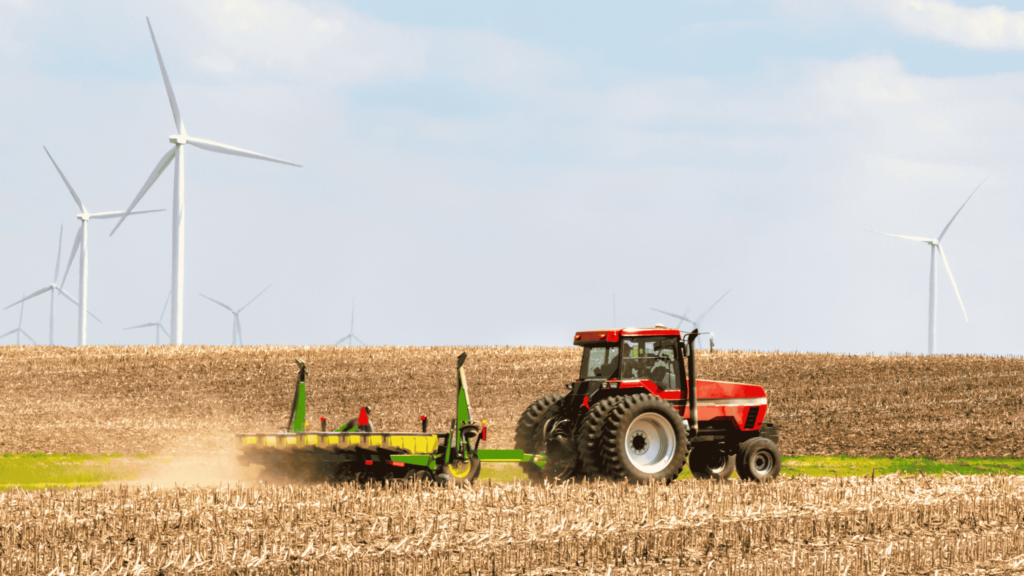
Soil health is at the very core of regenerative agriculture, and any good farmer knows that healthy soil is everything. When soil is weak or eroded, yields drop, inputs rise, and productivity falls with every season. But apply methods such as cover cropping, crop rotation, composting, and reduced tillage, and a different story starts to emerge. The soil begins to rebuild itself, holding more moisture and nutrients. It supports crops that grow stronger and naturally resist disease. And investors and buyers understand this: land with fertile, well-managed soil fetches higher prices because it guarantees long-term productivity at lower running costs.
Water is another factor that determines just how valuable land can be. Regenerative farming improves how the soil handles water: it soaks up rain instead of letting it run off and retains that moisture for dry periods. In Nigeria, where rainfall can be quite unpredictable, this matters a lot. Farms that manage water well are less affected by drought and erosion. Contour farming, swales, or planting vegetation buffers can make a huge difference. They protect the land and make it more resilient, and resilience is something every serious buyer looks for.
Regenerative agriculture also brings life back to the farm through biodiversity. Monoculture farming may seem efficient, but it drains the soil and makes a farmer dependent on chemicals. Regenerative farms mix crops, integrate animals, and rotate production. This diversity keeps pests in check naturally; improves pollination; and opens more income opportunities. If the price of maize falls, you could still make a profit on cassava, vegetables, or livestock. Buyers know a diversified farm is less risky and more profitable in the long run.
Regenerative agriculture isn’t a buzzword at Pryme Point Farm Estate; it’s a foundation. We’ve seen firsthand how farmland can grow in value when it’s treated as a living system, not a resource to exploit. To the farming families who think long-term and the investors who search for dependable returns, regenerative farming offers a future wherein both the land and the people who depend on it thrive together.