
Property flipping is a sought-after venture as it has proven to be a very lucrative part of the real estate market. The process involves purchasing a property, renovating it to become essentially better, and then selling it off at a price with an impressive profit margin. Usually, a lot of property flippers focus on the aesthetic appeal and structural upgrade during the renovation process. A very key thing to learn is that there are other aspects of flipping a property that impact the profitability and market appeal of the venture. One of these sidelined factors is the importance of incorporating energy-efficient features into a flip.
Some property flippers may avoid incorporating energy efficiency because of how costly it is. However, implementing energy efficiency is a smart investment because it requires an upfront investment, but this is outweighed by the long-term financial benefits. Upgrading a property with features such as LED lighting, smart thermostats, high-efficiency HVAC systems, etc., helps with reducing energy consumption. Reducing energy consumption means that the future owner of the property can enjoy lower operating costs. Prospective buyers are more attracted to this even with the high offers that may accompany the property. Energy-efficient homes often sell faster and at higher prices compared to non-efficient counterparts.
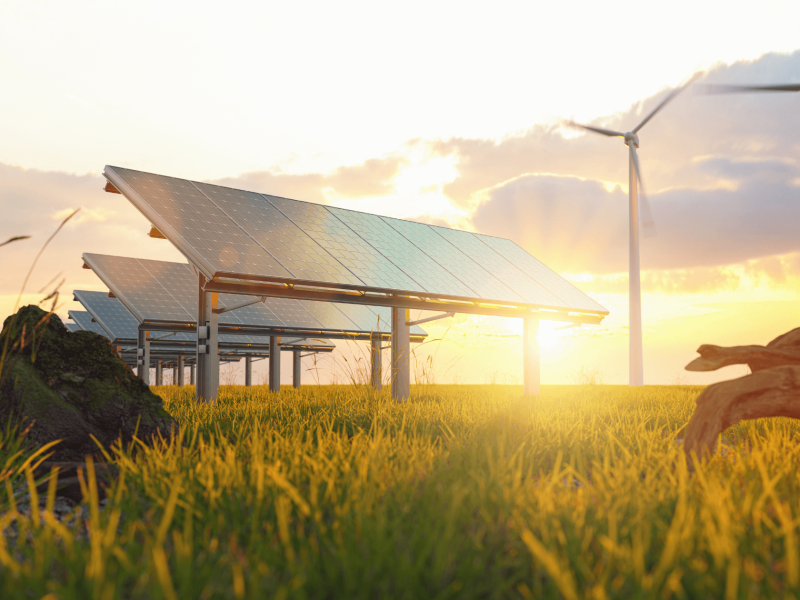
Understanding the foregoing means acknowledging that incorporating energy efficiency in flipping gives a property a competitive edge in the market. When a property flipper prioritises the use of features such as solar panels, tankless water heaters, or energy-efficient roofing, the property is positioned as modern and forward-thinking. Some of these flippers even gain certifications in energy efficiency for their properties. This will further help in validating the quality of the upgrades and work as an additional selling point for potential buyers.
Beyond the financial benefits and the market advantage of energy efficiency, incorporating energy efficiency is also a key step towards environmental sustainability. This sort of property contributes to the global cause of moderating energy consumption and carbon emissions. Energy-efficient materials and technologies help in reducing the impact of these global climate problems and essentially align business goals with broader environmental goals.
All of these highlight the fact that energy efficiency is not optional but rather, it is a very strategic step in property flipping. This article highlights how it meets consumers’ preferences, reduces operational costs, enhances marketability, and contributes to environmental sustainability. Property flippers who are looking for means to stand out in the market, make profitable sales, and maximise returns should prioritise energy efficiency as a smart and sustainable approach.